
Last Updated on March 31, 2026
Intermittent sobriety is the practice of taking planned, intentional breaks from alcohol without committing to permanent abstinence. It’s a flexible framework where you choose specific days, weeks, or periods to go alcohol-free, then return to drinking on your own terms. Think of it as a middle ground between full sobriety and drinking without much thought.
If you’ve ever decided to skip alcohol during the week and save it for the weekend, you’ve already practiced intermittent sobriety. You just probably didn’t call it that.
What Is Intermittent Sobriety?
Intermittent sobriety isn’t a clinical term or a medical protocol. It’s a lifestyle framework, one that’s been quietly practiced for decades but only recently got a name. The core idea is simple: you don’t have to choose between drinking normally and quitting forever. There’s a lot of space between those two poles, and intermittent sobriety lives there.
You’ve probably heard of intermittent fasting, the eating pattern where you cycle between periods of eating and fasting. Both posts that informed this piece drew the same comparison, and it’s a useful one. Just as intermittent fasting isn’t about starving yourself but about building a more intentional relationship with food, intermittent sobriety isn’t about deprivation. It’s about deciding when alcohol fits into your life and when it doesn’t.
This is distinct from “just cutting back.” Cutting back is vague. Intermittent sobriety is specific: you set parameters, you follow through, and you notice what changes. It’s also distinct from full sobriety. If you’re not ready to quit entirely (or don’t want to), intermittent sobriety meets you where you are. No label required. No identity shift demanded.
Start exploring the basics with our mindful drinking 101 guide.
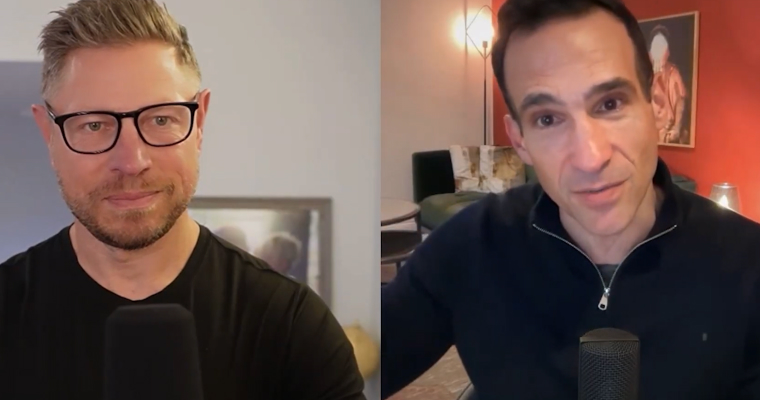
Watch: Intermittent Sobriety Explained
This Isn’t a New Idea
Long before anyone coined the phrase “intermittent sobriety,” people were taking deliberate breaks from alcohol. Religious traditions across cultures have built fasting and abstinence into their practices for centuries. Ramadan, Lent, certain Buddhist observances: the idea that periodically stepping away from pleasurable substances has value is ancient.
More recently, Dry January launched in the UK in 2013, run by Alcohol Change UK. Within a decade it became a global phenomenon, with millions of people participating every year. Sober October followed a similar path. These campaigns didn’t invent the behavior. They gave it structure and, crucially, social permission.
What’s actually new is the intentionality. And the willingness to talk about it out loud without it being a big deal.
Why Intermittent Sobriety Is Having a Moment
Something shifted in the last few years. Drinking less stopped being something you only did if you had a problem and started being something people chose for wellness, performance, finances, or just because they felt better without it. A 2024 YouGov study found that more than 30% of adults reported cutting back on alcohol that year. That’s not a niche trend. That’s a meaningful cultural change.
The non-alcoholic beverage market reflects this directly. According to Globe Newswire data, the NA drinks sector has seen double-digit growth year over year, with sophisticated options now filling the shelves that used to hold only sparkling water and soda. Booze-free bars have opened in major cities. Zero-proof cocktails appear on menus at restaurants where they would have felt out of place five years ago. The infrastructure for drinking less has genuinely improved.
Part of this is the broader wellness movement evolving past fitness and nutrition into lifestyle design. People who optimize their sleep, their diet, and their stress levels are now asking whether alcohol fits that picture. For a lot of them, the honest answer is: sometimes yes, sometimes no. Intermittent sobriety is the framework that makes that answer workable.
Social norms are shifting too. Saying “I’m not drinking tonight” used to require an explanation. Increasingly, it doesn’t. That’s a bigger deal than it might seem.
The Benefits of Drinking Less, More Intentionally
The benefits of intermittent sobriety aren’t theoretical. They show up quickly, and they’re specific. Here’s what most people actually notice.
Sleep and Energy
Alcohol disrupts REM sleep, even in moderate amounts. You might fall asleep faster, but the quality of that sleep is worse. You spend less time in the restorative stages, and you wake up feeling like you didn’t quite recover. Even reducing your drinking on weeknights (not eliminating it, just reducing it) tends to produce noticeably better next-day energy within a week or two. Our deep dive on alcohol and sleep covers the science in detail, but the short version is: alcohol and real rest don’t mix as well as we’ve been told.
Mental Clarity and Focus
Regular drinking creates a low-grade cognitive drag that most people don’t notice until it lifts. It’s not that you feel drunk at work. It’s more subtle: a slight haziness, a longer ramp-up time in the morning, a tendency to avoid hard thinking. Take a few weeks off and you’ll probably be surprised at how sharp things feel. Many Sunnyside members describe this as one of the most unexpected benefits.
Emotional Regulation
Hangxiety is real. The anxiety that follows a night of drinking isn’t just in your head; it’s a neurochemical rebound effect as your nervous system recalibrates. But even below that threshold, regular drinking can flatten emotional range and make stress harder to manage. Alcohol-free periods give your nervous system a chance to stabilize. Most people find their moods more even, and their stress response more proportionate. Worth understanding your own drinking triggers as part of this work.
Money
The math here is blunt. Three fewer drinks per week, at an average of $10 each, adds up to $1,560 over a year. That’s not counting the round you bought someone else, the rideshare home, or the late-night food. For most people, alcohol is a significant and under-examined line item in their budget. Intermittent sobriety doesn’t require you to quit. It just creates space to notice what you’re spending.
Self-Trust
This one doesn’t get talked about enough. Every time you say you’re going to take a break and you actually do it, you build evidence that you can follow through on commitments to yourself. That’s not nothing. Over time, making conscious choices about alcohol (instead of defaulting to habit) shifts something in how you see yourself. You’re in charge of this, not the other way around.
How to Practice Intermittent Sobriety
The good news: you don’t need a formal program. You just need a structure that fits your life. Here are the approaches that work best.
Designate Alcohol-Free Days
Pick two or three specific days per week where you don’t drink. Not vague intentions, actual days. Monday, Tuesday, Thursday. Whatever works for your schedule. The specificity matters because it removes the daily decision fatigue. On those days, it’s just not on the table. Check out more practical guidance at our drink less alcohol resource.
Track Your Drinks
Most people significantly underestimate how much they drink. Not because they’re being dishonest, but because pours are inconsistent, the drinks blend together, and there’s no natural accounting mechanism. Tracking changes that. It doesn’t require an app (though apps help), but you do need to actually count. The act of tracking tends to reduce consumption on its own, without any willpower required.
Plan Your Drinks Ahead of Time
Before a social event or a Friday night, decide in advance how many drinks you want to have. Not as a rule you’ll feel guilty about breaking, but as a plan you made when you were clearheaded. This is different from white-knuckling it in the moment. You’re just doing the thinking before the situation makes it harder.
Stock Non-Alcoholic Alternatives
Having good options in your fridge makes a real difference. Not diet soda and tap water, but drinks you actually enjoy: quality sparkling water, NA beers that taste like beer, interesting botanical cocktails. The ritual of having a drink matters to a lot of people. You can keep the ritual. Our roundup of the best non-alcoholic drinks is a useful starting point.
Try a Structured Challenge
Dry January, Sober October, or a personal 30-day reset. The value of a structured challenge is that it has a clear beginning and end. You’re not committing to forever. You’re committing to 30 days, which is a very different psychological proposition. Many people who try a month-long break discover that they want to keep going, or at minimum, that they’ve reset their relationship with alcohol in ways they want to maintain.
Find Community
Doing this with other people is easier than doing it alone. Full stop. Whether that’s a friend, an online group, or an app-based community, having people around you who are trying to drink more intentionally normalizes the whole thing. You can find that kind of support at our alcohol community resource.
Frequently Asked Questions
Is intermittent sobriety the same as moderation?
They’re related but not identical. Moderation typically means drinking less overall without necessarily taking full breaks. Intermittent sobriety is more structured: you’re building in alcohol-free periods as a deliberate practice, not just trying to have fewer drinks when you do drink. The distinction matters because the break itself, not just the reduced quantity, is where a lot of the benefit comes from. Your nervous system, your sleep, and your habits all respond differently to a complete pause than to a general reduction. For some people, intermittent sobriety is actually easier than moderation because the rules are clearer.
How many alcohol-free days per week should I aim for?
Two to four is a reasonable starting range for most people, but there’s no universal answer. Start with what feels slightly challenging but doable, and adjust from there.
Will my friends think it’s weird?
Some might notice. Most won’t care as much as you’re imagining. And the people who push back hardest are usually dealing with their own stuff about drinking. That’s worth noting.
What if I slip up?
Then you had a drink on a day you planned not to. That’s it. The worst thing you can do is treat a single deviation as proof that the whole thing is broken. It isn’t. Perfection isn’t the goal here. A better relationship with alcohol is. Pick up where you left off. One imperfect week doesn’t erase three good ones, and the pattern you’re building over months matters more than any individual night.
You Don’t Have to Choose Between All or Nothing
The all-or-nothing framing around alcohol has never served most people well. The majority of people who want to drink less aren’t looking to quit forever. They just want to feel better, sleep better, and be more in control of a habit that’s easy to let drift.
That’s exactly what Sunnyside was built for. With nearly 400,000 members, Sunnyside is the largest mindful drinking app in the world, and the research backs it up: members reduce their drinking by an average of 30% in the first month. Not through deprivation or strict rules, but through awareness, planning, and support.
If you’re curious where you fall on the spectrum and what intermittent sobriety might look like for you specifically, start with our free assessment: app.sunnyside.co/diagnostic.
You don’t have to overhaul your life. You just have to start somewhere.
References
- YouGov. (2024). Survey data on adult alcohol consumption and reduction trends.
- Globe Newswire. Non-alcoholic beverage market growth data, 2023-2024.
- Sunnyside efficacy study. Member outcomes: average drink reduction in first 30 days.